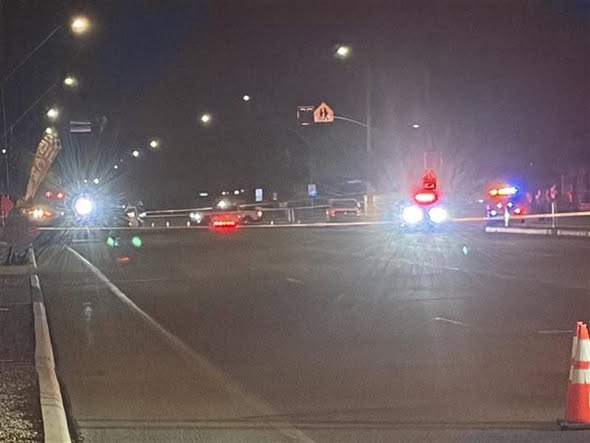
Martin Nitzken Jr., 27-old-year, Louisville, Kentucky — Cause of Death Obituary: Fatally Shot on Cromarty Way, Louisville: Police Chief Moves to Terminate Officer Nathan Stotts Amid Mental Health Crisis Response Review
Gunshot wound inflicted during police response to reported domestic assault and mental health crisis
Martin Nitzken Jr., a 27-year-old Louisville resident, died on May 30, 2026, after being fatally shot by Louisville Metro Police Officer Nathan Stotts during a response to a disturbance on Cromarty Way. According to official reports, officers were dispatched to the 3000 block of Cromarty Way following 911 calls reporting multiple assaults inside a residence where Nitzken had been with his girlfriend and friends during a social gathering.
Dispatch audio and witness accounts indicated that Nitzken, who was described by callers as experiencing a bipolar-related mental health episode, had allegedly become physically violent prior to police arrival. He was later found unclothed and moving through the neighborhood when officers arrived on scene. Body camera footage reviewed by Louisville Metro Police leadership shows that Stotts issued repeated commands for Nitzken to stop and show his hands before the situation escalated.
Police say Nitzken advanced toward the officer, prompting Stotts to fire a single fatal shot. Nitzken was later pronounced dead at the scene. He was unarmed at the time of the shooting.
Following an internal review of video evidence, 911 recordings, and dispatch logs, Louisville Metro Police Chief Paul Humphrey announced that he has initiated termination proceedings against Officer Stotts, citing a failure to follow de-escalation protocols and departmental standards. Humphrey stated that less-lethal options were not attempted prior to the use of deadly force, a decision that has since intensified public debate around police responses to behavioral health emergencies.
The incident has renewed scrutiny of Louisville’s crisis intervention systems, with community leaders calling for expanded mental health co-responder programs to reduce police-only responses in similar situations.
An internal criminal investigation remains ongoing as the case is referred to the Commonwealth’s Attorney for further review.